
Episode 3
Leave Nothing Unsaid: Keeping Family Memories Alive After Loss
Episode summary
When fire takes the physical pieces of a family’s history, the memories still need somewhere to live. Anne Albertson, a retired entrepreneur who has rebuilt her life more than once, shares how she keeps people, places, and moments alive after the things that held them are gone.
Key takeaways
- Photograph every room and back the photos up to the cloud before you need them. Anne Albertson and Greg used photos of their renovation to design the new cabinets and put every light switch back where it was. “You’ll never know how many shoes you have unless you take pictures,” she says.
- When someone loses their home, let them grieve the things too. After the fire, people told Anne Albertson the important thing was that she and Greg got out, and they meant well. She would have answered, “It was just stuff, but it was my stuff.”
- Don’t leave things unsaid with the people you love. The people she loves know she loves them, says Anne Albertson, and that knowledge brings peace. Tell the people close to you now.
- A fire can take your belongings, but it can’t take the experiences behind them. Among what Anne Albertson lost were an aerial photo of the farm and her husband’s ‘69 Charger. She says the experiences are the part no one can touch, “just as important to me as the mementos.”
Chapters
- Introduction: What Grief Does to Memory
- The Morning of the Fire
- The Farm, and Four Generations in One House
- What Survived
- What Couldn’t Be Replaced
- Why She Photographs Everything Now
- Nine Months Later: Insurance, Inventory, and a Cabin
- Rebuilding on the Same Footprint
- This Wasn’t Her First Time Starting Over
- Why the Objects Mattered
- What No One Can Take From You
- Her Advice: Take Pictures, Leave Nothing Unsaid
- “It’s Never Too Late”
- Her Most Meaningful Memory
- Closing Reflections
Full transcript
Read the full transcript
Andrew Laffoon (jump to this point in the video)Have you ever wondered how grief and loss shape memory? The story we tell ourselves about loss and about grief is that these are something, it's something so scary and so terrifying. But what if grief and loss was actually a path to treating life, the people you love, and yourself differently? What if it could be a pathway to actually living life better, And finding your happily ever after. Welcome to The Memory Project, episode 3. In our last 2 episodes, Dr. Christie Chung shared with us that memory is not just a recording. It's something that changes every time we replay it. And that process changes who we are, how we think. Something I was left with after those conversations is wondering, how does grief affect that? How is memory shaped When the things, the places, and the people that have shaped our memories the most are no longer within reach.
Andrew Laffoon (jump to this point in the video)Today, I wanna share with you a very special guest, Anne Albertson, who has had, like many of us, a lot of experiences in life of loss, and she's gonna share how that has affected her. Anne, welcome to the show.
Anne Albertson (jump to this point in the video)Thank you, Andrew. I appreciate some time to share with you.
Andrew Laffoon (jump to this point in the video)Yes. So, So, Anne, you've had a lot of experiences in your life. In fact, on Christmas Eve last year, I heard your home was lost in a fire. Tell me a little bit about that.
Anne Albertson (jump to this point in the video)That's the truth. In the morning, about 6 o'clock, I was awoken by explosion sounds. There wasn't smoke in our house, so the fire started in the garage. We believe that that was probably gas cans exploding. We use those for the snowblower and the mowers. And then our vehicles were also on fire. But I jumped out of bed, shook Greg, called 911, you know, telling him out, out, out. And the 911 operator was very helpful.
Anne Albertson (jump to this point in the video)She was right on the line with us and she kept repeating, Go out of the house, go out of the house. And I said, I'm naked, okay? I'm not leaving the house with no clothes on. So I stood in front of my closet and it flashed through my head that I better make a good choice because it's possible that this would be the last thing in my closet that I would have. Turns out, I, you know, I'm not really stellar at that. So I grabbed a white long-sleeve t-shirt, some jeans, and the stuff to go under it. And Out we went. It was December in Wisconsin, so I might have just grabbed a jacket or a sweater or something, but I did not. I was more interested in getting myself and my husband out.
Anne Albertson (jump to this point in the video)So we live in the country. It takes about 20 to 25 minutes for the— the first responders were there in about 10 minutes. The fire engines and all of those folks didn't come until later. Um, but we stood in the driveway by the barn and watched our home burn.
Andrew Laffoon (jump to this point in the video)Wow.
Anne Albertson (jump to this point in the video)It was pretty tough.
Andrew Laffoon (jump to this point in the video)Wow. That's really hard. And was it, was it a house you all had lived with, lived in for a long time? I mean, what's the, what's the backstory?
Anne Albertson (jump to this point in the video)Oh, so that's, that's a great story. Um, this was my husband's family farm. Still is. Uh, no animals except for barn cats, which is A-okay with me. But, um, his parents bought this home in 1953 when he was 1 year old. It had been in existence for a while. The original structure was log. It had been built in the 1800s.
Anne Albertson (jump to this point in the video)We don't know exactly when, uh, but over the years, Greg had built onto that original 2-structure log home and he put a 2-car garage adjacent on one side and then an addition that was quite long and it was a great room. It held our kitchen and foyer and dining and all of, you know, living room, et cetera. All windows all the way around. But he did all the renovations himself. It took a number of years. And so he has a really strong— personal connection with all the trim and the doors that he stained himself. Every lick of paint inside and out was his hand. And his children grew up there.
Anne Albertson (jump to this point in the video)And so all the amazing memories of his parents and his children. He was an only child. So as you can imagine, that can be kind of a lonely thing. So when his family came along, it was delightful and filled the house. And, um, so we had finished renovating things to get them more, uh, finished and had finished that in October, um, had just had a new roof put on and all of that. And the fire was Christmas Eve morning.
Andrew Laffoon (jump to this point in the video)Wow. I mean, that's such a loss. If he grew up there and his kids grew up there, so many memories attached. To a place.
Anne Albertson (jump to this point in the video)Yeah, the place. He didn't have indoor facilities until he was in high school. One of the things, and interestingly, I documented the whole renovation so that we would have it. And the first thing that went was the privy. Oh, so It was okay with me. I mean, it wasn't in use anymore. It housed a lot of bees and, you know, we just didn't need it. So.
Andrew Laffoon (jump to this point in the video)So I guess some things, some things are not the ones that you miss the most.
Anne Albertson (jump to this point in the video)No, not even, you know, a little.
Andrew Laffoon (jump to this point in the video)Yeah. So what were some of the things you were able to retrieve? Was any— did anything survive the fire?
Anne Albertson (jump to this point in the video)It did. Great question. So nothing in the garage. Including the vehicles, etc. But in the log part of the house, there was an antique dresser, the kind with the super solid wood and then the hanky boxes on either side on top. I don't know if you're familiar with that, but that dresser was so solid and it protected, um, Greg's personal papers. He had his taxes, past taxes. He had his wallet.
Anne Albertson (jump to this point in the video)He had his money clip because he's an old farmer, right? So he peels out the money clip and does, you know, with the bills. I'm not really a cash girl. But anyway, so that was saved. There were a few things— cookware, metal especially. Mixing bowls were fine once they were cleaned up, but they had to be—
Andrew Laffoon (jump to this point in the video)Cleaned up.
Anne Albertson (jump to this point in the video)They— we invested some love in those to keep them. There was a vase, Waterford crystal, that my children had given us when Greg and I got married 5 years ago. And surprisingly, that made it unscathed. A crystal vase. I mean, we had melted puddles of aluminum in the driveway. And yet here was that vase.
Andrew Laffoon (jump to this point in the video)Wow.
Anne Albertson (jump to this point in the video)So we were pleased. And there are other things along the way. Some jewelry was able to be saved, some was not. The local jeweler is wonderful and helped me clean things. I also met a gentleman up the road that has an antique business, and he shared with me a product that he uses to gently clean the antiques without changing the patina. And so I was able to save a couple of wood pieces from me. Well, not from the addition, but from the main part of the house.
Andrew Laffoon (jump to this point in the video)Wow. And I'm curious, what were some of the most significant— like, what were— were there things that were extremely significant that were saved? And also, what were some of the things that were lost that you missed the most?
Anne Albertson (jump to this point in the video)Luckily, I was on the phone with 911 when I left the house, and my phone case has my license, credit cards, debit cards, and I would have been lost without those, as well as Greg's wallet. So those things that I don't know that I'd have necessarily thought about, um, we, you know, we were able to have. At the outset. I know there are others. I just, I call them blessings when I remember them because that's truly how I feel about them. Greg and I both got out of the house safely. We could have been in a burn unit somewhere or lost our lives. So, um, actually, Greg and I were talking a few minutes ago on Just the idea of things we miss.
Anne Albertson (jump to this point in the video)And one of them was a photograph that was taken of the farm from a plane. What, you know, now it would be a drone photo, but that wasn't so. And you could see his mom by the clothesline and him in the yard. And then, you know, we could see what the farm looked like. At, you know, they'd owned it for maybe 2 years at that time. So we're missing that photo. Um, it was Christmas, so all of the Christmas decorations— and I'm kind of a fiend, you know, uh, full disclosure, um, after my birthday in August, it's really just preparation for Christmas, but The tree melted and stuck out a window at the end of the addition and all the ornaments and, um, all those things that, uh, cross stitch that I had made when my children were first born, um, mosaics and other things that I had done. Um, I think Greg's biggest piece of mourning is the '69 Charger.
Anne Albertson (jump to this point in the video)That was in the garage because the beam from the garage fell on it. And he, he loved that car. He bought it in late '70s and it was just gone. He had just put a new motor in it and done some refurbishing with the car dude. And so that was heart-wrenching for him. He remembers the The girls standing in the car yelling, faster, Daddy, faster! So yeah, his car.
Andrew Laffoon (jump to this point in the video)Wow, that's heavy. I'm curious, has it— how has losing those things changed the way you remember, if at all?
Anne Albertson (jump to this point in the video)We originally had a book of pictures from Mixbook of the renovation. And we, we looked at those photos to help design the new cabinets and to remember where exactly the light switches were. And a few things that you think you know, you walk by. I mean, how many times do you automatically just flip on a light switch? You don't think about its position. And so it It's been really helpful to have those images back so that we can remember them properly. There are some things that we won't get back, like the glass butter churn with the wooden paddles that was a decoration on top of the refrigerator, my grandma's sewing cabinet, my sewing machine. I mean, Good grief.
Andrew Laffoon (jump to this point in the video)Right.
Anne Albertson (jump to this point in the video)Yeah. So pictures of our grandparents and our children and all of that. Now, thank goodness for cloud storage. That's what I'll say to that.
Andrew Laffoon (jump to this point in the video)The clouds don't burn down, I suppose. That's a good thing.
Anne Albertson (jump to this point in the video)Well, no. I mean, people don't want data centers. But hey, they kind of go together, folks. You need to prioritize. Wow.
Andrew Laffoon (jump to this point in the video)Well, that's a lot of loss. Tell me, how has it been— it's 9 months later now. How is that process going with, you know, thinking about rebuilding what's next for you all and how does, you know, kind of these heirlooms and things that you shaped and created over generations really?
Anne Albertson (jump to this point in the video)Yes.
Andrew Laffoon (jump to this point in the video)What do you do with that now?
Anne Albertson (jump to this point in the video)We spent the month of January in a cabin by a lake, and I kid you not, it was 25 below for a stretch of that time at the lake. But we had a chance to sit down with a notebook and think of everything from every room that we wanted to be reimbursed for with the insurance, I guess. But there were some things, you know, you can't replace the buffet that was from the '30s and all of that. So after we were blessed to have This little house come available through a friend. She was ready to move. She was moving in with someone who had duplicate things. So the place is decorated. It's got towels and pots and pans and furniture.
Anne Albertson (jump to this point in the video)And, you know, so it felt like a home. After we got here, the receipt parade started. So in order to be reimbursed, you need to track what you have purchased as a replacement and mark it off on the spreadsheet so that the insurance company is comfortable that in fact you have purchased these items. And now I've really done most of the day-to-day living kinds of things. We have dishes, we have knives, we have, etc. And they're all in storage. So I've purchased so many of these things as Greg works on the house. But, you know, we're, we're getting— the space is getting smaller here as we accumulate.
Anne Albertson (jump to this point in the video)And we both— I don't even know what the day will be like when we get to move back in. I, I imagine I'll be a big boohoo Boone all day long because I'll just be so grateful that it's over.
Andrew Laffoon (jump to this point in the video)Wow, what a moment that's going to be. Are you rebuilding the house kind of as it was, trying to recapture that?
Anne Albertson (jump to this point in the video)Great question. So we are— we could save some of the log because it was just smoky and it can be treated for that. But the footprint of the house will be nearly identical. Greg took a little poetic license and made the garage just a squinch bigger, and that's great. But otherwise it will look just as it had.
Andrew Laffoon (jump to this point in the video)So you've had, besides this, right before this, you've had other experiences of loss and difficulty in your life. I'm curious if you would be willing to share a little of that, and do you feel that prepared you for this in some way?
Anne Albertson (jump to this point in the video)You're probably thinking of in 2009, I got quite sick and ended in the hospital for a year, or for a week, I'm sorry. A year would be a very long time. And then the following year, 2010, I got breast cancer and had a mastectomy. And actually, as much as I could, I had fun with that, you know, store-bought versus homegrown and flotation device and all of that. But you have to make the best of it. And then in 2011, my sister passed away in a moped accident. And she was 42, and she was my person. We were 7 years apart, and she was gone.
Anne Albertson (jump to this point in the video)And then in 2012, I got breast cancer a second time, and then I did the year of chemo and radiation and all of that. And then in 2013, I got divorced and It just kind of got a little, um, unsavory. But my way to cope is to use humor about it. That's just how I am. So things that, um, really make me sad, I can find humor in. Um, although I will say, after Amy passed, Well-meaning coworkers would come up and say, "How are you doing?" And that that's such a deeply personal, profound grief that I never answered that question openly. Hey, great! You know, it was a small talk kind of a situation. I found that the fire was a little similar to that.
Anne Albertson (jump to this point in the video)Our children had a benefit for us to help recoup some costs. We both needed vehicles and, and all of that. And people that day were so kind and they rallied and we just felt so blessed. And at the same time, people, well-meaning people would say, oh, the important thing is you and Greg got out and it was just stuff. And that day I said, oh yeah, we're, we're feeling blessed. We have grateful hearts. We're, um, feeling graced to be able to be here. Later on, I think my response would have been, but it was my stuff.
Anne Albertson (jump to this point in the video)It was things that were passed down to me from generations ahead, as you mentioned. It was things I'd made personally or that my children had. Their graduation photos are gone, you know, and And too many to mention, really. But it was just stuff, but it was my stuff. So I feel like I give myself permission to grieve for that.
Andrew Laffoon (jump to this point in the video)Makes so much sense. I mean, there's a part of you, right, in those things and part of people that you love.
Anne Albertson (jump to this point in the video)Well, I had an art studio for a time after I moved back to Sparta. And so I had the chance to do painting and mosaics, and I made lots of jewelry and A number of other things. But that was so creative and such a nice outlet after my corporate 32 years that it was a mood builder to see those things and that I just need to do again.
Andrew Laffoon (jump to this point in the video)Yeah. I'm curious if, you know, the— what is the— I don't know how to ask this question. What is the story you tell yourself? about the grief and the suffering that you faced? And how has that changed you?
Anne Albertson (jump to this point in the video)I think it feels similar to the year that I had radiation chemo in that it won't last. I'm going to last. It is not invited. So I don't know when the house will be done. I would have loved to say we could move in December 1st. But I know that's not realistic. And so it's an unknown date that I know will be a reason for rejoicing. And I keep looking forward to that.
Anne Albertson (jump to this point in the video)You know, some, some things that I have in life no one can touch. And those are my experiences. You know, the things I've done with Greg's grandchildren and my own and With Greg, we've seen a lot of concerts and all of that, and the experiences are just as important to me as the mementos.
Andrew Laffoon (jump to this point in the video)Makes sense. You know, given what you've been through, I'm curious if you could invite every one of our listeners to do one thing, right? One thing today with their families, with their people close to them, what would that be?
Anne Albertson (jump to this point in the video)The easy answer is take pictures of the things in your home because you'll never know how many shoes you have unless you take pictures. But the real, the personal thing is I am very comfortable that I have left nothing unsaid. The people that I love and love me, they know I love them.
Andrew Laffoon (jump to this point in the video)They—
Anne Albertson (jump to this point in the video)I give great hugs. And they're, they can't be overrated. They're, just don't leave things unsaid. It, it's very peace bringing to know that every, I don't have a bucket list. I'm doing the things I wanna do. I got my sweetie and my kiddos and I'm a happy camper.
Andrew Laffoon (jump to this point in the video)Wow. Yeah, I couldn't help but notice behind you there's a piece of art that says, it's never too late. to live happily ever after, which is a very interesting piece given our conversation.
Anne Albertson (jump to this point in the video)Yes, it is. Because you can, you can be Eeyore all you want, but all it gets you is older. So instead, you know, just live in the moment. I got a tattoo the year I had chemo and it says, Be present. Because my chemo brain was— I fell asleep 8 times trying to watch Avatar. But, you know, just be present right where you are. Love up your friends. Say to the person in line with you at the grocery store, oh my gosh, those shoes are adorable.
Anne Albertson (jump to this point in the video)Or to the obviously pregnant woman, oh, I'm so happy for you. Don't touch them. But, you know, just have a little joy. I just do that because, one, no one wants to be around a sad sack grumpy person. But more than that, because if people don't line up to spend time with me, that's okay. But when you're there, be Be positive, be present, help see them, ask questions, let them know that you care about them and how they fare.
Andrew Laffoon (jump to this point in the video)Yeah. Wow.
Anne Albertson (jump to this point in the video)Wow.
Andrew Laffoon (jump to this point in the video)I mean, that's such a redemptive takeaway, right? From, from the things that have been taken from you and your, your response is to give.
Anne Albertson (jump to this point in the video)I can't help it. You know, I was very, very fortunate in my work life to have made a generous salary. And I would go out with girlfriends that didn't have that kind of a job, and I would surreptitiously take the check most of the time. And the girls would bluster about that, but at the end of the day, it's my joy. It's my joy to be able to help or do things for other people that make them smile or make their traumas a little easier or whatever that is. It's, it's my joy.
Andrew Laffoon (jump to this point in the video)Wow. Wow. One more question for you. What is your most meaningful memory?
Anne Albertson (jump to this point in the video)I think it's my sister on the telephone when we lived or stayed apart. And I can hear her say, hi, Anne. And that's it. It's just that. It's— she was my person. I wish I had something, you know, spectacular or, you know, more action-filled for you. But that is the most important memory I have.
Andrew Laffoon (jump to this point in the video)Wow. Anne, thank you so much for this. It has just been a profound and meaningful time. I found myself feeling emotional, feeling inspired. I'm sure that everyone listening is feeling the same. So thank you for being an example of what it looks like to live well and find joy in difficulty.
Anne Albertson (jump to this point in the video)Thank you. Thank you, Andrew. It's been lovely to talk with you and be able to share some of these things and So the next thing on my list is to go to Fleet Farm and get some new racks for the garage.
Andrew Laffoon (jump to this point in the video)All right. Well, enjoy, you know, enjoy it. It's— you'll have opportunities to be present in all those times.
Anne Albertson (jump to this point in the video)Right, right. Well, one day at a time. And this, this, this will end.
Andrew Laffoon (jump to this point in the video)Yeah. That is true.
Anne Albertson (jump to this point in the video)And then I'll be back and someday I'll, I'll order a big old Mixbook that shows how our house came back to life.
Andrew Laffoon (jump to this point in the video)Ooh, sounds good. Sounds good. The new rebuilding.
Anne Albertson (jump to this point in the video)Yes. Yes. Oh, thank you so much for the opportunity to talk with you and tell this story. It's, it's a hard story to tell, but it's wonderful to be able to share it in a way that leaves people knowing that it'll be okay.
Andrew Laffoon (jump to this point in the video)Wow. What a profound episode. It was so different. The first 2 episodes, we spent time really understanding how memory works, and that memory isn't just a recording we can play back, but it's a story we tell ourselves. And every time we play it, it changes. Now we learn from really a deeply personal story. Anne has experienced so much loss and difficulty in her life. And in talking with her outside of this, she really emphasized she's not alone in that.
Andrew Laffoon (jump to this point in the video)All of us are going to face moments of grief and loss in our lives. In fact, many of us already have. And the encouragement is that it doesn't have to be an end. It can be the beginning of something new, a new chapter, a new way of living. It can be a deepening. It can teach us how to live, and it can also teach us who we are and who we care about. Next time on The Memory Project, Ty Lewis. She is a certified dementia practitioner, and she's also a daughter caring for her own mother.
Andrew Laffoon (jump to this point in the video)We're gonna talk about how dementia takes memories from us and how we can fight that by looking back at the things and the people that matter most. Through photos. I'll see you next time. Moments pass in a blink. The stories are what we get to keep. This has been The Memory Project from Mixbook.
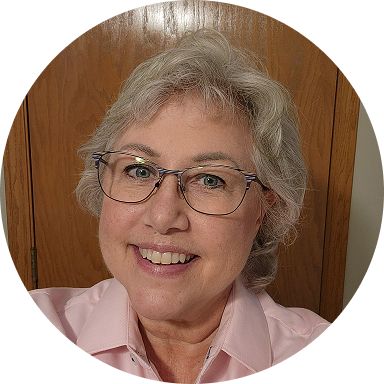
About the guest Anne Albertson
Retired Entrepreneur
Anne Albertson is a self-proclaimed “two-time triumphant cancer tangler.” She is profoundly proud of her family and supremely grateful for her friends. She is a true believer that a positive attitude is a choice.
Frequently asked questions from this episode
How do you rebuild after a house fire?
You rebuild from what you documented and what you still have. Anne Albertson explains that photos of the renovation helped the family design new cabinets and remember exactly where the light switches had been. They are rebuilding on a nearly identical footprint and saving part of the original log structure.
What can’t be replaced after a house fire?
The things with a story behind them. Anne Albertson explains that dishes and knives can be bought again, but a buffet from the 1930s, her grandmother’s sewing cabinet, her children’s graduation photos, and an aerial photograph of the family farm cannot. What survived was unpredictable: an antique dresser protected her husband’s papers, and a crystal vase came through unscathed.
How do you keep the memory of someone alive after they’re gone?
Hold on to the small, specific moments. Anne Albertson explains that her most meaningful memory of her sister is hearing her say “Hi, Anne” on the phone. She also says the experiences she has shared with family matter as much to her as the mementos.
What should you say to someone who is grieving?
Acknowledge that what they lost mattered, including the belongings. Anne Albertson explains that after her fire, well-meaning people told her the important thing was that she and her husband got out and that it was just stuff. She gave herself permission to grieve anyway, because the things were hers.
Why should you make a home inventory with photos?
Because memory alone won’t tell you everything you owned. Anne Albertson explains that after the fire, she and her husband sat down with a notebook and listed everything from every room. Her advice is to take pictures of the things in your home, because you never know how many shoes you own until you photograph them.
What does it mean to leave nothing unsaid?
It means telling the people you love how you feel while you can. Anne Albertson explains that she feels at peace because the people she loves know she loves them. Asked for one thing every listener could do, she says simply: don’t leave things unsaid.
Moments pass in a blink. The stories are what we get to keep.