
Episode 5
The Stories We Don’t Tell: A Genetic Genealogist on Family Lore
Episode summary
Family lore is part fact and part story, and genetic genealogy can show where the two split. Nicole Conti, Genetic Genealogist, draws on her own family’s history to explore the stories families leave out, why family lore survives, what the Ellis Island name story gets wrong, and what DNA tests can uncover.
Key takeaways
- Most family lore holds a kernel of truth, so it is worth taking seriously. Nicole Conti, a Genetic Genealogist, says to ask why a story keeps getting told and what each generation is trying to convey. A story that shifts over time is not automatically false.
- Family names were almost never changed at Ellis Island. Officials read names from the passenger manifest, which was created where the ancestor departed, explains Nicole Conti. In her own family, the surname changed later, when her great-grandfather naturalized and took his adopted family’s last name, Conti.
- DNA tests often uncover unknown parentage, so be ready for the unexpected. They “almost should come with a warning label,” says Nicole Conti. More often than not, people find something, and it can shake their sense of identity.
- A family tree gives you names and dates, and the stories give you the meaning. Names and dates are only the framework, explains Nicole Conti. Knowing how an ancestor lived through events like World War II or the Great Depression is what makes them feel like a real person.
- Ask loved ones what they thought and felt, because records can’t recover that. Records can show what someone went through, but only they can explain how it affected them, says Nicole Conti. Since her father passed away, she wishes she could call him and ask what he thinks of what she keeps finding.
Chapters
- Why We Keep the Story, Not the Facts
- How a Surname Mystery Started a Genealogy Career
- Solving the Mystery: A Foundling Ancestor in Sicily
- How a Genealogist Solves a Family Mystery
- What DNA Tests Can Uncover: Unknown Parentage
- Family Tree vs. Family Story: Why Stories Matter
- Family Lore and the Ellis Island Name Myth
- Why Knowing Your Family History Shapes Identity
- Ways to Keep Family Stories Alive Today
- Heritage Trips: Standing Where Your Ancestors Lived
- How to Plan a Heritage Trip
- Family Stories as an Anchor in Uncertain Times
- What to Ask Aging Loved Ones Before Stories Are Lost
- Nicole’s Most Meaningful Memory: Monday Family Nights
Full transcript
Read the full transcript
Andrew Laffoon (jump to this point in the video)My last name is French, so growing up we were French. That was just the story. But a few years ago, I took my grandmother's boxes, all her notes and photos, and actually traced it back. The French turned out to be a small piece, and we found roots nobody in the family had ever mentioned. My brothers looked at the same results and walked away with different ideas about who we are. And that's when it hit me. We don't keep the facts, we keep the story. And somewhere along the way, someone decided which parts got told.
Andrew Laffoon (jump to this point in the video)So today I want to know about the other parts, the stories that never made it down to us, and what happens to a family when someone finally goes looking for them. Welcome back to The Memory Project. I'm Andrew Laffoon, CEO and co-founder of Mixbook. This season, we've looked at memory inside a single life: how it's built, how it shapes you, what happens when it's lost. Today, we're gonna zoom out. What a family remembers across generations and what it leaves out. Nicole Conti is a genetic genealogist. Through her company, Family's Legacy, she shows families that their history doesn't have to start with documents.
Andrew Laffoon (jump to this point in the video)It can start with a question, a conversation, a memory, or even a mystery. Nicole, welcome.
Nicole Conti (jump to this point in the video)Hi. Yeah. So I'm a family history storyteller and genetic genealogist, like you said, and I like to just bring people's stories to make our names and dates in our family trees be more than just that. It's the stories that make people's human experience feel real and personal, and it's how their memory lives on. So I like to help people explore that and preserve those for more generations.
Andrew Laffoon (jump to this point in the video)You know, for a lot of people, this is a hobby. You've made it a career. How did you get into it?
Nicole Conti (jump to this point in the video)I got into it when I was 15, in high school. That's when I caught the genealogy bug, you could probably say. My dad's office manager had actually created a family history book for us, and in it had these names and dates and the records that she had found to put together this generation by generation, and it went back maybe two or three generations. And so, I started reading through that and inferring from the records what their lived experiences were. And it started with this one mystery about my grandpa and his side of the family. And from there, just more mysteries continued. And I think it was the curiosity of that that really drove me to continue to learn about them, and especially my paternal grandfather. He was the only grandparent that I wasn't able to meet. And so I had a very strong curiosity about what his experiences were.
Nicole Conti (jump to this point in the video)That's where I got my surname from, and I really had identified up until that point with the last name of Conti. And so it was through this book that I learned that the name came from Sicily, and I noticed that my grandfather's father had been using a different name when he immigrated. And that to me was a huge mystery because I thought to myself, is my surname really Conti? And what's the true surname and what does that mean to me? And so it really just started with this single mystery that has for decades now fascinated me just about what these family stories mean to myself and my identity and being able to share that.
Andrew Laffoon (jump to this point in the video)How fascinating. So it started with a mystery. I'm curious why it wasn't solved before. And then also, have you solved it?
Nicole Conti (jump to this point in the video)I only recently solved it, which is kind of amazing when you think that this was, like I said, 20 years ago now. And so when I first started, I was asking everybody I could, why would he be using this different last name for the first basically decade that he was here in the United States? And nobody knew the answer. So I just kept looking for more and more records and searching, and I couldn't find his birth record in Sicily. And finally, just a few years ago, I was talking to my grandfather's brother's wife, and I asked her, 'cause she's big into genealogy, I said, you wouldn't happen to have any idea why he would be using this different last name? And she very casually said, oh, well, he was adopted. And I thought, okay, that's a huge part of the puzzle. And everything started making so much more sense after that because I thought, okay, so that is very likely his birth name. And the last name was Salvezza. And that is how I eventually found his birth record very recently within the last months.
Nicole Conti (jump to this point in the video)And from there, I was able to actually build a very huge part of his origin story, which is that when he was born, he was a foundling, which means that his parentage was unknown, and his mother gave him up as an infant, and he went into what they called the foundling system there in Sicily. And from there, he was adopted essentially through the woman who was his wet nurse, who was the woman that I always assumed was my second great-grandmother. So it really opened up a whole new side of history that I had no idea about. And, you know, what our surname really is, which is where genetic genealogy started really fascinating me too, because I thought when a foundling is born, their last name is just, it's made up. The people who are registering their births make up these names. And so the last name Salvezza was completely— I would look in other records and I couldn't find anything there and it's because it was made up. So then I got to thinking again, one mystery leads to another.
Nicole Conti (jump to this point in the video)Well, what is our true biological surname? And so that has been kind of my most recent mystery is using genetic genealogy to figure that out.
Andrew Laffoon (jump to this point in the video)Wow. So fascinating. Now you have a company that does this for clients. So if you bring on a client, does it usually start with a mystery? How does that work?
Nicole Conti (jump to this point in the video)I'd say most times it's a mystery and it's either, you know, people have a question about who was so-and-so's parents, or more likely it's, there's this family lore that I keep hearing and I really want to get to the bottom of it and how can we do that? And so generally I can either coach people along, 'cause some people want the joy of, you know, figuring it out themselves, which is also really fun. And I love to do it too. So other times I'll kind of take the reins and do it for them. But essentially, you just take everything that you know about this mystery or this mystery person or this family lore, and what are all the stories behind it, any names and dates and records that they have. And sometimes it's not a lot. Sometimes they have more than they might think they have. And then from there, you just kind of delve into the story, and it starts with a lot of research and records.
Nicole Conti (jump to this point in the video)And then from there, you want to build kind of the historical context into how all of this falls, you know, because somebody's community, their job, the family dynamics, that all plays a role in figuring out somebody's story and what the answer to this mystery could be.
Andrew Laffoon (jump to this point in the video)Is there a payoff at the end? Like, why do people do this?
Nicole Conti (jump to this point in the video)I think for myself and for what I've seen for other people, you're really recovering parts of your identity and who you are, and this sense of belonging, this sense of where you stand, not just in your own personal life, but where you are in this historical narrative that's been going on for centuries. We are linked to all these people who came before us. So we're here because of choices and experiences that they've had. And understanding where we came from really helps build that sense of identity. It doesn't necessarily determine where you're going to go, but being able to have that foundation and that knowledge, and even being able to share that with family members, it creates this sense of connection with people who are long gone, but you can still draw meaning from their lives. And so I think it's the joy of knowing these people in a way that you wouldn't if you hadn't tried to figure out these mysteries and recover these stories.
Andrew Laffoon (jump to this point in the video)Wow. So fascinating, right? So genetic genealogy, a lot of us have now taken the 23andMe and the AncestryDNA, and it often challenges the family story we told ourselves. How do you deal with that in your work?
Nicole Conti (jump to this point in the video)I do feel like they almost should come with a warning label at this point that you should be prepared for anything that might come your way with this because I think for a lot of people, they might get it as a Christmas gift and, oh, it's going to be fun to see what the breakdown is. But more times than not, you are going to find something. It might not be in the immediate generation, but you're going to start finding unknown parentage where you thought you knew that this person was the biological father or mother or parents. And in fact, it's not. And it can start to uncover some pretty tricky revelations, I would say. When I first started with genetic genealogy and I was working in the library and people would come to me and they would say, I have these really close DNA matches, I have no idea who they are, and I need help building these relationships and figuring out how we're related. And so I would be sitting there with these people and they're finding out in that moment that they have a half-sibling that they never knew about, or the parents who raised them aren't their biological mother or father, or both. And so that can be some pretty heavy information.
Nicole Conti (jump to this point in the video)And I think everybody deals with it a little differently, but either way, it kind of rocks your sense of identity. And what does this mean about myself? And my experience and my perception of family and where I've come from. So I think for a lot of people, they're suddenly asking themselves questions that they didn't really anticipate, you know, when they were first taking this test. And now here it is just kind of staring you in the face.
Andrew Laffoon (jump to this point in the video)Wow. Wow. I mean, it reminds me, I think you talk a lot about this idea that, okay, family trees are a thing. But what's more important is family story.
Nicole Conti (jump to this point in the video)So the names and the dates that you see on a pedigree or a family tree, the records that you will look for to kind of create that name and date and when they were born and married, that is basically just the framework to really start building out these stories because that's not really what makes someone's human lived experience come to life. It's knowing how they lived that life, the gaps in between those dates, what they lived and experienced, and their personal stories. That's what makes them feel like a real human being, not just if you're talking with a family member, oh, remember, you know, Virginia Blasendorf, born on this date? And no, it's, did you know that her, our great-grandma, she actually lived through World War II and she— you know, the experience of what that was like, or the Great Depression, things like that. It's knowing how they went through these things and how they experienced them. That's where the real meaning and connection comes through. It's not necessarily knowing the date that they were married, although that can tell you some things. It's not going to tell you the feeling and the meaning behind what it was like.
Andrew Laffoon (jump to this point in the video)One thing I've noticed a lot, our family has a lot of family lore. Oh, this is what your grandfather did. Oh, this is how, what it was like when they went through the war. And especially 'cause my dad is a real big storyteller. And then if I go back to his mom, you know, the story's a little bit different, right? But there are these larger-than-life stories and you're told them. I was told them in my childhood and they kind of shaped in some ways who I became. And so is that a common thing? And why do we do that? Yeah. How does that shape us?
Nicole Conti (jump to this point in the video)I think family lore is so hugely important, and I think sometimes it will get dismissed, kind of like you said, because the story seems to be shifting and changing, and, oh, does that mean it's really true? But the thing about family lore is there's usually a kernel, at least a kernel of truth in there, where it has come from. And so I think it's really important to pay attention to those stories. There's a reason that those stories are surviving through the generations. And why is that story continuing to be told? What is it that the other generations are trying to convey by continuing to tell that story? And sometimes there's a lot, you know, well-known family lore. For example, our family name was changed at Ellis Island. That was one that I heard a lot growing up. And the fact is that family names weren't changed at Ellis Island, which is actually a big topic of controversy in genealogy. But really what happened is the officials at Ellis Island would receive the passenger manifest, and they were just reading down the list of names.
Nicole Conti (jump to this point in the video)They weren't making corrections in almost every single case. They were not changing or rewriting names. That manifest was created where your ancestor came from. And so what happens is the story starts to change, like for my family. Our last name was changed when my great-grandpa came to the United States, but that took place when he naturalized and he took on his adopted family's last name, which was Conti. And his birth name kind of went to the wayside. And within one generation, that story of why that even happened was almost lost. And that's kind of how these things happen when people stop telling the story of why that took place. It leaves room for people to start filling in the blanks with what they think.
Nicole Conti (jump to this point in the video)And so a lot of my family members would say, oh yeah, our name was changed at Ellis Island. That's the fact. And so it wasn't until I went back and started recovering this story that I realized, oh, there's a lot more to it than just having a name changed at Ellis Island.
Andrew Laffoon (jump to this point in the video)Wow. Fascinating. So, you know, there's some research out of Emory University. They've done some research on family lore, so to speak. And what they've done is they studied teenagers who had a good understanding of where they came from, who they were, where their roots were, what their parents and their grandparents did, right? And they found that that correlated with stronger self-esteem, stronger sense of identity, and better behavior overall. And have you seen that in your experience? What do you think about that?
Nicole Conti (jump to this point in the video)I do think that there's a lot of credibility and obviously there's different variables and family dynamics are different for everybody, but I have seen this a lot where, especially when you're younger as a kid, you're learning about identity and you're wondering, who am I and who do I want to be? And you're starting to establish that and understand it. And I think when you have a foundation of family stories to go off of— this is where I come from. This is how I've come to be in this particular place and space and time. That helps to start building that identity and where you belong in the world, and not just that you're this one single person experiencing this, but that you come from a chain of people who have had a lot of other experiences. They've had highs and lows and triumphs and challenges, and they celebrated lots of different things, and that kind of shows you where you stand in this sort of historical narrative that has lasted for centuries, that we have this chain of ancestors that just continues to go back and back, and you're not just this singular person. You're actually connected to all of these people, and you can really feel that connection the more you learn about these people's stories. And who they were, what their lived experiences were.
Andrew Laffoon (jump to this point in the video)Yeah. For whatever reason, this is bringing to mind the movie Moana. I don't know if you've seen it.
Nicole Conti (jump to this point in the video)I love that movie.
Andrew Laffoon (jump to this point in the video)She was raised to be the next chief, and like her dad takes her up to the top of the mountain because she wants to leave the island. She wants to go adventure. And her dad's like, no, no, no, you don't know who you are. Let's go to the top of the mountain. And he shows her the stack of rocks that all of her ancestors have stacked. He's like, your job, one day, you're going to put a rock on top and it's going to raise this mountain higher. That's your role. And of course, she then goes on her own quest of identity and comes back full circle to find actually that was her identity all along.
Andrew Laffoon (jump to this point in the video)But her dad had his own problems, right? It's a whole drama. For those of you who've seen it, it's relevant. And so it kind of clicks with me that there's this idea of this rootedness of you're actually connected to something bigger. And in fact, teenage rebellion, right? We want to rebel against that thing, but it usually brings us back if it's healthy.
Nicole Conti (jump to this point in the video)That's a great way of putting it. It does. It helps you come back to it because obviously you want to have individuality and explore what your life means to you, but being able to have that kind of touchstone to come back to and to realize, yes, I am connected to something much bigger than myself, and I'm the next chapter of a book that's been being written for centuries. And now you get to define what this chapter looks like. And then, you know, you're going to be the foundation for what the next generation is going to be building off of and what stories you leave behind, what legacy you leave behind. That's all something that goes into, I think, really experiencing family history, not just knowing it, but living it and experiencing it and keeping it alive with your family members.
Andrew Laffoon (jump to this point in the video)Right. So how do you do that, right? I mean, I've done the research on Ancestry, and it does get looked at on occasion. In fact, there have been some real moments actually of family connectedness where there was a person who was feeling very disconnected from the family. And after years of not talking to them, all of a sudden I get a request, hey, can I see that thing you did in Ancestry? I wanna look at it. And she wanted to feel connected to the family again. And in fact, it worked. She felt that same connection, like, oh, we're all coming from the same place. Like, let's reconnect.
Andrew Laffoon (jump to this point in the video)How do we keep these memories and stories alive? How do you do that with your clients?
Nicole Conti (jump to this point in the video)There's so many ways, especially now we have access to so many other ways to tell family stories. It used to just be maybe that, you know, you're writing them down in letters and journals and sharing them at the family table. But now we have access to even more. There's social media. You can connect with people on Facebook. You can connect with distant relatives on Facebook that don't even live on the same continent as you. And by continuing to tell these stories and share these stories, it keeps these people's memories alive. It keeps those stories moving and they survive another generation.
Nicole Conti (jump to this point in the video)And so people are using social media or, you know, there's books nowadays where you can scan a QR code and you can hear your grandparents telling a story. There's so many different ways that people are finding out how to preserve their stories. Even with Family's Legacy, that's how I had gotten it started because I wanted to show people what it was like in real time to uncover family history, to figure out certain mysteries and what that process looks like, and to see that it really is a journey that you're just— it's a lifelong journey that you are continuing every single day. And so there's so many ways to preserve those stories, but like you were saying, it's such a great way to stay connected with family members, especially nowadays when people might feel more, you know, we've never been more connected and yet people still have that feeling of disconnection. And you can return to these family stories. And like you were saying, it's this shared experience with a cousin,
Nicole Conti (jump to this point in the video)with an aunt, with an uncle, and all of a sudden you're telling stories together and you're keeping these memories alive together. And it really brings that connection and that belonging back home to you.
Andrew Laffoon (jump to this point in the video)Yeah, makes so much sense. One of the things, you know, we hear about is this idea of a heritage trip. That seems to be a great way to bring the story back into the present. How has that been for you, and how does it go for your clients?
Nicole Conti (jump to this point in the video)I mean, that's one of my favorite things to do is when you can return back to where your family is from and actually see where they were living and where they came from, and that this is part of your history too. This is where you've come from. It really adds a whole nother layer to your identity and this idea that things are always, always changing. There's so many different layers to people than you might even know. It takes a lot of bravery to get on a ship and to immigrate to a completely new world and to leave everything you knew and loved behind. And so that adds a whole nother element of understanding to what that person experienced. And so when you can return to these places and you can explore, this is what it was like for them to live in a certain place, I've found that a lot of people feel almost an instant connection to the land that they're returning to. And it helps them see this family member in a whole different light and to understand their experience better.
Nicole Conti (jump to this point in the video)I actually got to go back to Sicily for the first time just this last May. And that for me personally was incredible because I got to stand outside of the very church where my great-grandfather was born and given up into the foundling system. So for me, standing there, for that church to even still be existing, because it had actually been bombed during World War II, and so the wing where he was born had been destroyed, but the church itself was still standing there, and to just look at the street and to know that this mystery woman who I still don't know the name of yet, but I know she walked these very streets, these cobblestones are the same ones that were there when she was walking there. It brings such a different level of connection and almost traveling across time in a way that you can't get when you're just looking at a map or photos of a place. So if you can have the opportunity to travel and to be in these places physically, it just, it's a whole nother experience that you can keep and that you can also share with other family members and keep telling that story and preserve it.
Andrew Laffoon (jump to this point in the video)And where do you recommend if, you know, if our listeners want to do a heritage trip, how, where do you get started? You just Google heritage trips? Are there companies that do this? How do you even know where to go?
Nicole Conti (jump to this point in the video)There are. So for everybody, they want to kind of tackle this their own way, and it can be a unique experience. Some people do want to do the research themselves, and that's great. And that's what you're going to do. You're going to start by doing the research, collecting the records, making sure you know where these people came from, because you might know, oh, my family came from Italy or Sicily or wherever it might be. Then you need to break it down to the actual town because you can't just show up and say, okay, this is, you know, this is where they're from. You want to actually be able to visit the actual town that they lived in, maybe the church that they attended, or just get a feeling for the actual grounds that they walked.
Nicole Conti (jump to this point in the video)And so that is where you're going to need to be able to look through records and find out where exactly they were born, where they lived, where they immigrated from. That's how you can start building these trips. And then you can look at the time period and you can think what buildings were still there and how did people spend their time during this time? And every generation is different because, you know, there's some people who were traveling by cars and planes and buggies. And so you can really get a sense what kind of food were they eating during this period? Where would they have gotten their food? You start asking yourself questions about what their everyday was like. And then you can kind of rebuild that so that when you go back to this place, you can kind of try to get that experience. What were they eating? How were they spending their days? What kind of jobs might they have had? How did they get to work? How did they get their food? Did they grow it themselves? So when you're planning a heritage trip, you actually find yourself asking these very particular questions because once you arrive there, you want to be able to live the experience and not to be— sometimes you'll go and continue the research there, but you also want to have an idea of what happened in these places before you arrive so you know where you want to go.
Andrew Laffoon (jump to this point in the video)Wow. Yeah, I mean, that sounds amazing. I think my closest experience to that actually was visiting my wife's mom's childhood home in Taiwan. I believe it was actually her grandma's childhood home as well. And they had this like iconic doorframe where her grandma, her mom, all her mom's siblings, and all the various grandkids had all been measured at different times on this doorframe. So there are little lines with names and dates, and the dates went all the way back to the 1940s. And it was just so surreal.
Andrew Laffoon (jump to this point in the video)And it's, you know, there's nothing that unique about this, you know, condo in Taipei other than all this history is there and it's right there. You can hold it in your hands. Like you've got her mom's like childhood schoolwork and like all these little details. You just feel all of a sudden such a connection.
Nicole Conti (jump to this point in the video)That's amazing. It really does. It makes history suddenly feel so much more tangible and the lived experience of there. You're seeing these people actually grow, and that would be a very cool thing to be able to see, I imagine, and to have something like that in your family preserved. Because, you know, a lot of people, especially nowadays, they're moving around a lot. They're not really in one spot. And so to be able to return to a place like that, that is a great example of why heritage travel is so important and how it really hits home. And like you said, you really connect with being in that place and standing there and knowing how many other family members had done the same exact thing that you're doing right there.
Andrew Laffoon (jump to this point in the video)Yeah. One of the things, you know, thinking about the research again from Emory, one of the things I've often wondered about is the rise of anxiety in the younger generation. And, you know, my wife and I were talking about it and I'm like, you know, they probably just have a lot more stresses in their life. And my wife is like, what are you talking about? Like 100 years ago, like half of kids didn't make it through childhood. Like people were going to fight in world wars. I mean, it's just such a different world. So what is it? And it's led me to think a little bit about this idea of rootedness because the rootedness gives us that stability and the security when we know who we are, we know where we came from. It helps us, as we saw in the study, right? The self-esteem is higher, identity's more clear, behavior's better.
Andrew Laffoon (jump to this point in the video)I wonder if this, you know, this idea of family storytelling through generations could really help.
Nicole Conti (jump to this point in the video)Yeah, I agree. I definitely feel like if more people could tap into that, that it's such a huge benefit to anybody who can access those stories. And we don't always have them. Some people, you know, don't really have the family stories that were passed down and you have to go out and search for them. But I do think there have been other studies. I can't remember what the name of it was, but they did a study where the children, and I believe they were also at the college level, and they thought about their family members before they took a test. And then the other group just thought about something, an everyday experience, a recent vacation, a trip to the grocery store. And the ones who had thought about their ancestors before the test actually did better.
Nicole Conti (jump to this point in the video)They performed better. They had higher confidence. Their self-esteem was higher. And so it's really just being able to have those stories to rely on, to look back on, like we've said, that it creates this sense of belonging, of identity. I know who I am. I know I can do this. Whatever's coming my way, just like they did, I can get through this. And so in a time where there's a lot of uncertainty going around and that's creating anxiety, or there's just a lot.
Nicole Conti (jump to this point in the video)We have access to so much more information nowadays than even our ancestors did, for example, and maybe that does create more anxiety, but when you can put that into perspective once again, and to think, okay, I am part of something that's a lot bigger, and you can say, all right, this is something that I can put into perspective myself, then you feel like you can regain some of that certainty outside of the uncertainty.
Andrew Laffoon (jump to this point in the video)Yeah, makes sense. So, you know, we've all had or will have the experience of a loved one passing away. And something I think a lot about with these family stories is how do you preserve their stories? So if our listeners could ask, you know, those close in their life who are aging one question, what's that question that people wish they had asked?
Nicole Conti (jump to this point in the video)I think for a lot of people, what they wished that they would have asked a loved one is a personal experience that only they can explain. What was their thought? What was their feeling? What was their opinion on that? Because you can recover records that will say maybe what somebody went through and what they experienced, but you can't recover how that affected them, how they felt while they were experiencing it, even the tiny details of everyday life that don't get recorded. What was that like for them, and how did it shape them, and how did it shape the person that they became and the kids that they raised? And I think that's a huge part of it is not being able to reach back out to that person and to ask for their opinion, what they think about it, what they feel about it. I, for myself, when I'm doing a lot of this research, especially on my dad's side of the family, so he passed away about 10 years ago and I've discovered so much more and I always wanna call him up and just say, can you believe this? Like, what do you think about this? And you want to get their perspective basically. You want to preserve their voice and their perspective exactly as they lived it. And once they're gone, you can't do that. And once you lose someone, you're losing access to all of those stories that they personally know. And if they're not preserved, then they're lost unless you can find some, you know, record that might detail part of it.
Nicole Conti (jump to this point in the video)But again, it's not going to talk about the emotional side of it, the really lived experience part of it that somebody can better explain themselves.
Andrew Laffoon (jump to this point in the video)Makes sense. One more question, Nicole. What is your most meaningful memory?
Nicole Conti (jump to this point in the video)That's a tough one. I have so many great memories, but funny enough, I think if I really had to narrow it down to one, it would be when I was a kid growing up, Monday nights were our family nights. And so just that time capsule, that period of time, it was a very like almost ordinary type of thing in the sense that it wasn't a big milestone. It wasn't this big celebration, but it was just every Monday night we would be together. My sisters and I would put together plays. We would choreograph dances. We would look at the news for the day and give our parents news reports. And we would just be together and laugh and have these moments that now that I look back on are so precious to me.
Nicole Conti (jump to this point in the video)And I can never necessarily get them back in the sense you can't go back and relive them, but it was just a very precious time to me. And we would always end the night by getting on— there were three of us sisters— and we would get on my dad's back and he would do this thing he called badum, and he would carry all of us back to our rooms on his back on all fours. And it was just such a funny thing, but that's how they would put us to bed. And then my parents would put us in each of our rooms. We'd say goodnight. And there was just something that at the time, I think, you know, you take it for granted as a kid. This is just family life. But now that I look back on it, I realize it's one of the moments that I wish I could return to the most.
Nicole Conti (jump to this point in the video)It was extremely precious. And so I think that would be my most favorite memory if I had to pick, was just family nights on Monday.
Andrew Laffoon (jump to this point in the video)Wow. So beautiful. Well, Nicole, thank you so much for joining us on the show today. It was an amazing conversation. I learned a lot, to be honest. I'm really inspired myself to take a heritage trip, and I've done the work to make a family tree, and there are a lot of family stories, but I'm looking forward to some more ideas to bring these things back to life. So thank you so much for sharing with us. Thank you for bringing your experience.
Andrew Laffoon (jump to this point in the video)Really appreciate it.
Nicole Conti (jump to this point in the video)Thanks for having me. I can't wait to see where you go and what you do with it.
Andrew Laffoon (jump to this point in the video)Wow. So takeaways: I have a family tree, but I want a family story. What my kids are going to care about is not a bunch of names and dates and a nice tree on the wall. They want to know who they are, where they came from. Heritage trips— what an idea! I've got to go back to where I came from, and it's a lot of places. There's a lot of things to see. And really repeating the family lore, it's actually helpful and it's fun. I'm gonna make more of it.
Andrew Laffoon (jump to this point in the video)I hope you'll join me. The conversations are not over. There's a lot more stories out there waiting to be told, and we'd love to keep finding them with you.
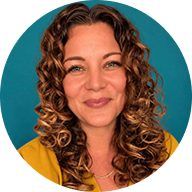
About the guest Nicole Conti
Genetic Genealogist
Nicole Conti is a Genetic Genealogist and family history storyteller. Through her company, Family’s Legacy, she shows families that their history does not have to start with documents. It can start with a question, a conversation, a memory, or even a mystery.
Frequently asked questions from this episode
What is genetic genealogy?
Genetic genealogy uses DNA matches to work out how people are related, including parents and relatives they never knew about. Nicole Conti, a Genetic Genealogist, explains that a DNA test can turn up unknown parentage, and she is using it to find her own family’s true biological surname.
What is family lore?
Family lore is the stories a family passes down about its own past, like how the family name got changed. Nicole Conti explains that when people stop telling why something happened, others fill in the blanks with what they think, and the story starts to change.
Why do family stories matter?
Family stories give you identity and a sense of belonging, because they show you are part of a chain of people who came before you. Nicole Conti explains that knowing where you came from does not decide where you go, but it gives you a foundation, and sharing the stories keeps family connected.
What should you ask your grandparents about their life?
Ask about the parts records cannot capture: what they thought, how they felt, and what ordinary days were like. Nicole Conti explains that once someone is gone, you lose access to the stories only they know, and unless they were preserved, those stories are lost.
What is a foundling?
A foundling is a baby whose parentage is unknown and who was given up in infancy. Nicole Conti explains that her great-grandfather was born a foundling in Sicily, where the people registering these births made up the last names.
How do you plan a heritage trip?
Start with the records, and narrow your family’s origin from a country down to the actual town. Nicole Conti explains that you then research the time period, asking what buildings were still there, what people ate, and how they spent their days, so you know where you want to go.
Were family names changed at Ellis Island?
Almost never. Nicole Conti explains that Ellis Island officials read down a passenger manifest created where the ancestor came from, and in almost every case they did not change or rewrite the names. She often heard the story growing up, and says it remains a big topic of controversy in genealogy.
Moments pass in a blink. The stories are what we get to keep.